

Food & Drink
Food Guide
Without a doubt, Mongolian cuisine is one of the best windows into a glimpse of Mongolia's culture and traditions while visiting Mongolia.
Quick facts
- National drink
- Airag (fermented mare's milk)
- Airag production season
- Begins in June and consumed through summer
- Types of Mongolian tea identified
- Over 68
Explained
Mongolian cuisine offers a deep look into the country’s nomadic culture and traditions. Visitors are greeted with famous hospitality: traditional milk tea, dairy products, and whatever food the host has on hand.
Traditional Mongolian food is largely meat-based, drawing on horse, yak, camel, beef, and lamb. Grass-fed, free-range livestock provide protein that helps people endure the harsh cold. At the same time, Russian, Chinese, and Western influences—as well as vegetables—are now integral parts of the cuisine, and Ulaanbaatar offers European, Japanese, Korean, Chinese, and even seafood restaurants alongside global fast-food chains.
Traditional Dishes to Try
- Khorkhog – authentic Mongolian barbecue made with mutton, vegetables, and hot stones heated in an open fire, best enjoyed communally inside a ger.
- Boodog – goat or marmot cooked with heated stones placed inside the carcass, then roasted from the outside on the steppe.
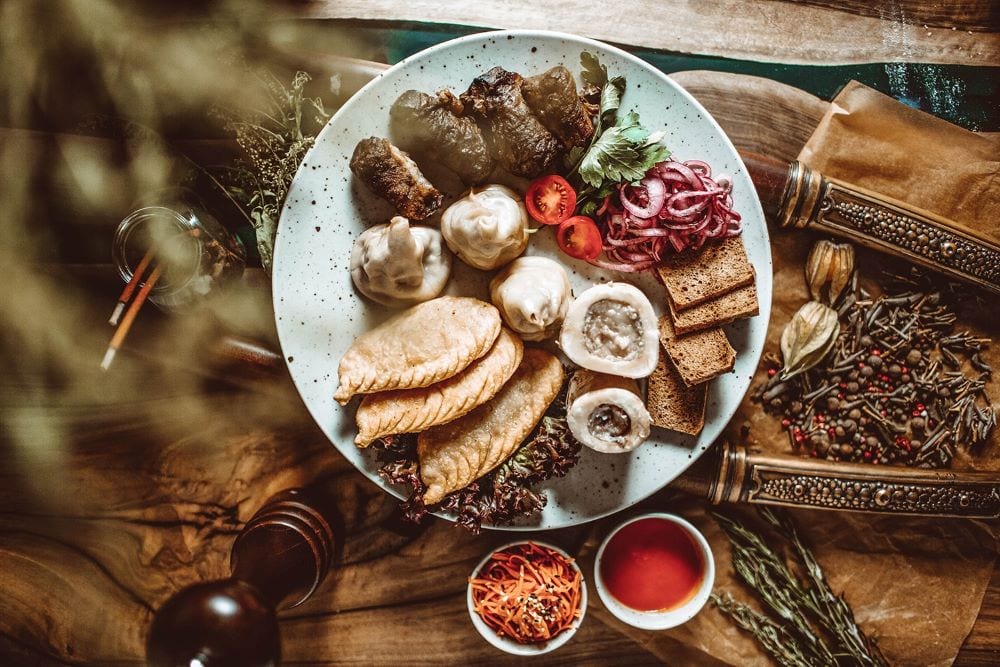
- Buuz and Bansh – hearty Mongolian dumplings filled with mutton or beef; Buuz are larger and steamed or boiled, while Bansh are smaller.
- Khuushuur – fried meat pies stuffed with meat, vegetables, or fish and served fresh, especially during the Naadam Festival.
- Dairy foods and drinks – hundreds of dairy products including yoghurt, cottage cheese, dried curds, and fermented products.
- Milk Tea – boiled water with tea, milk, and salt; herders drink it every morning and may add dried meat, rice, or herbs.
Key takeaways
- Mongolian cuisine reflects nomadic culture and traditions.
- Meat from grass-fed, free-range livestock is central to the diet.
- Dairy products and airag (fermented mare's milk) are staples.
- Russian, Chinese, and Western influences are now part of modern Mongolian food.
- Ulaanbaatar offers international restaurants and global fast-food chains.